
DNA Type 2 Diabetes Risk Test
Type 2 diabetes (insulin-independent diabetes) is a chronic endocrine disorder caused by impaired sensitivity of cells to the hormone insulin, which is produced by the pancreas and is the main regulator of blood glucose levels.
Type 2 diabetes (T2D) is the most common form of diabetes, accounting for 90% of all diagnosed cases.
If no measures are taken to control the course of the disease, complications may arise. The consequences can be severe: thrombosis, atherosclerosis of blood vessels, polyneuritis, paralysis, hypoglycemic and hyperglycemic coma.
Order a mobile service visit to your home or office.
Same-day service is available.
For a free consultation, please call:
+7 (499) 490-28-01Since type 2 diabetes develops slowly, early-stage diagnosis is challenging. The main symptoms include:
- Obesity. People prone to rapid fat gain should undergo testing.
- Elevated blood sugar levels. If fasting blood sugar remains high, it may be a sign of diabetes.
- Increased thirst. A person may drink 3-5 liters of water per day.
- Increased appetite. Due to insufficient glucose reaching tissues, appetite may sharply increase.
Additional symptoms of the disease:
- Chronic fatigue and weakness
- Headaches and dizziness
- Frequent skin irritations
- Hypersensitivity to fungal infections
- Slow wound healing
- Development of candidiasis and urinary tract infections
- Tingling in fingers and toes
- Numbness in limbs
- Nausea after eating
If these symptoms appear, it is essential to see a doctor immediately. Mild diabetes can progress to a severe form, and patients with severe diabetes will need lifelong insulin therapy to avoid serious complications.

The studied genes
This DNA test was developed based on scientific research of polymorphisms in dozens of genes that may increase the risk of developing type 2 diabetes. Based on a large sample from diverse populations, experts identified the most important genes responsible for hereditary forms of the disease:
-
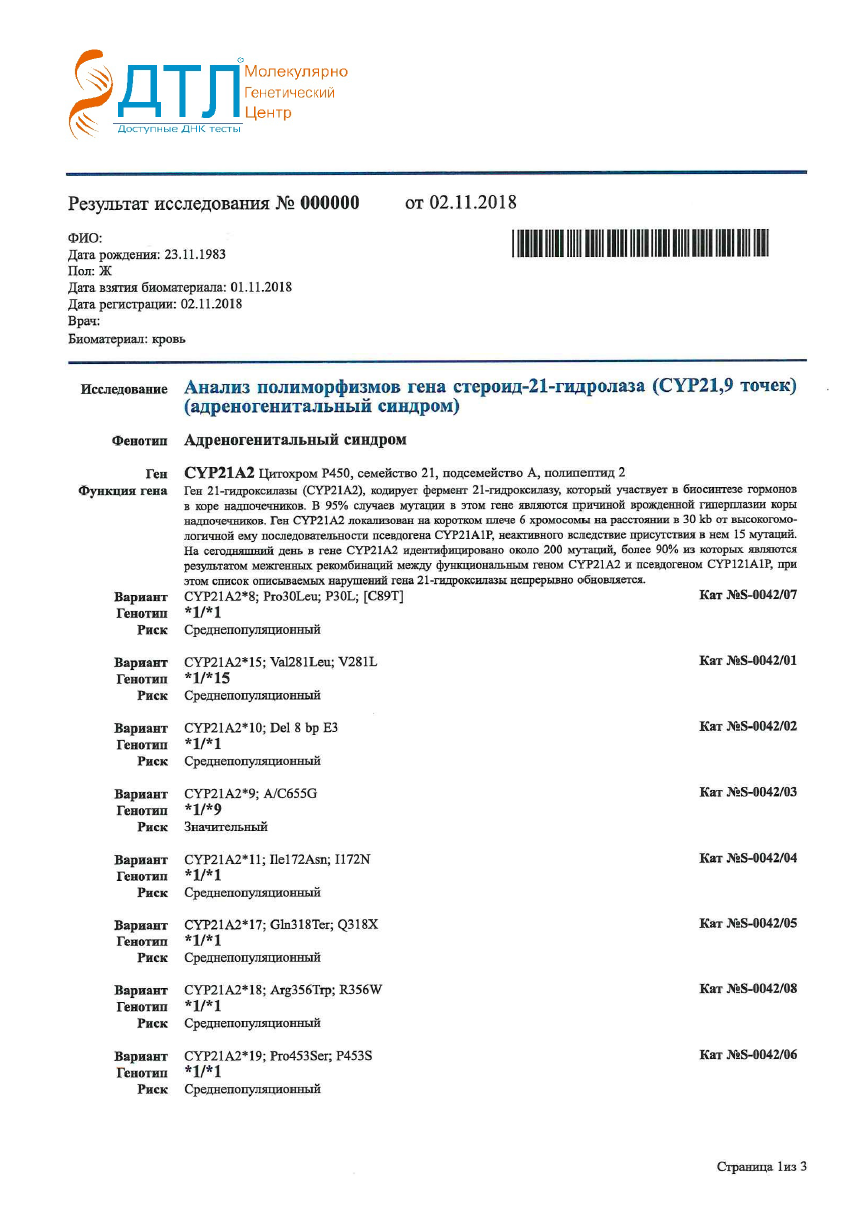
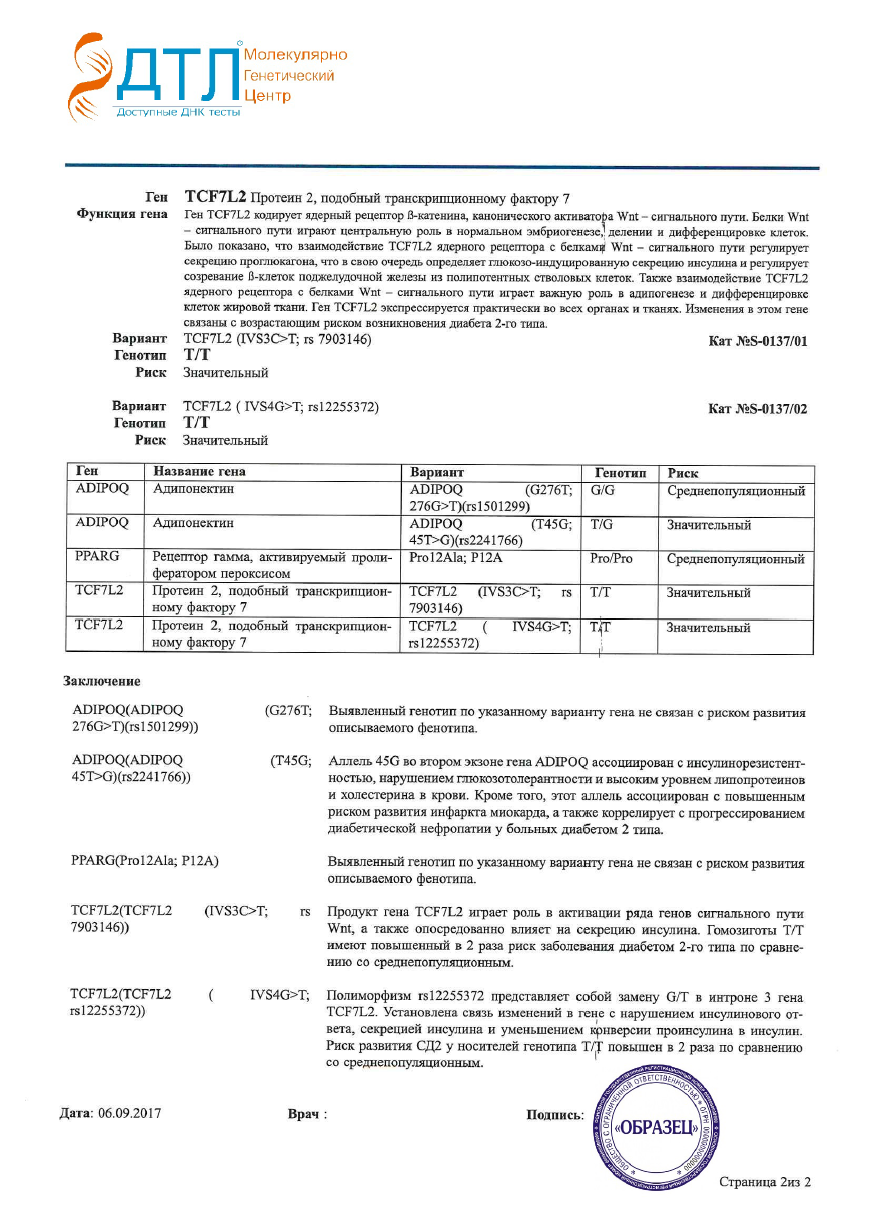
TCF7L2 — encodes the nuclear receptor β-catenin, involved in activating the Wnt signaling pathway. The interaction between Wnt signaling proteins and the nuclear receptor regulates the formation of pancreatic β-cells. These cells produce insulin. Individuals with two mutant alleles (homozygous) have a twofold increased risk of developing type 2 diabetes. Those with one mutant allele (heterozygous) have a 1.5-fold increased risk compared to the general population.
-
PPARG — encodes the gamma nuclear receptor responsible for expressing a protein involved in fat and carbohydrate metabolism. Carriers of the mutated 12Ala variant have increased insulin sensitivity, which helps prevent the development of type 2 diabetes. However, in cases of obesity, these protective effects are diminished.
-
ADIPOQ — encodes the hormone adiponectin, which is produced by white adipose tissue. Adiponectin regulates blood glucose levels and participates in the breakdown of fatty acids. It is considered one of the main factors influencing insulin resistance. Higher levels of adiponectin in the blood correspond to a lower risk of developing type 2 diabetes. Mutations in the ADIPOQ gene lead to reduced expression of adiponectin.
Genetic predisposition testing for type 2 diabetes allows detection of pathological gene variants. This, in turn, enables personalized treatment and preventive measures to reduce the risk of developing type 2 diabetes.
The disease typically develops by the age of 40. The primary cause is heredity. However, genetic predisposition to type 2 diabetes is often aggravated by external factors:
- Excess weight
- Overeating
- Low physical activity
- Pregnancy
- Use of oral contraceptives or hormonal medications
- Pancreatic diseases
- Acute viral infections
- Presence of hyperglycemia
When combined with a family history of diabetes, these external factors significantly accelerate the development of the disease. Detecting hereditary predisposition allows timely preventive measures to be taken.
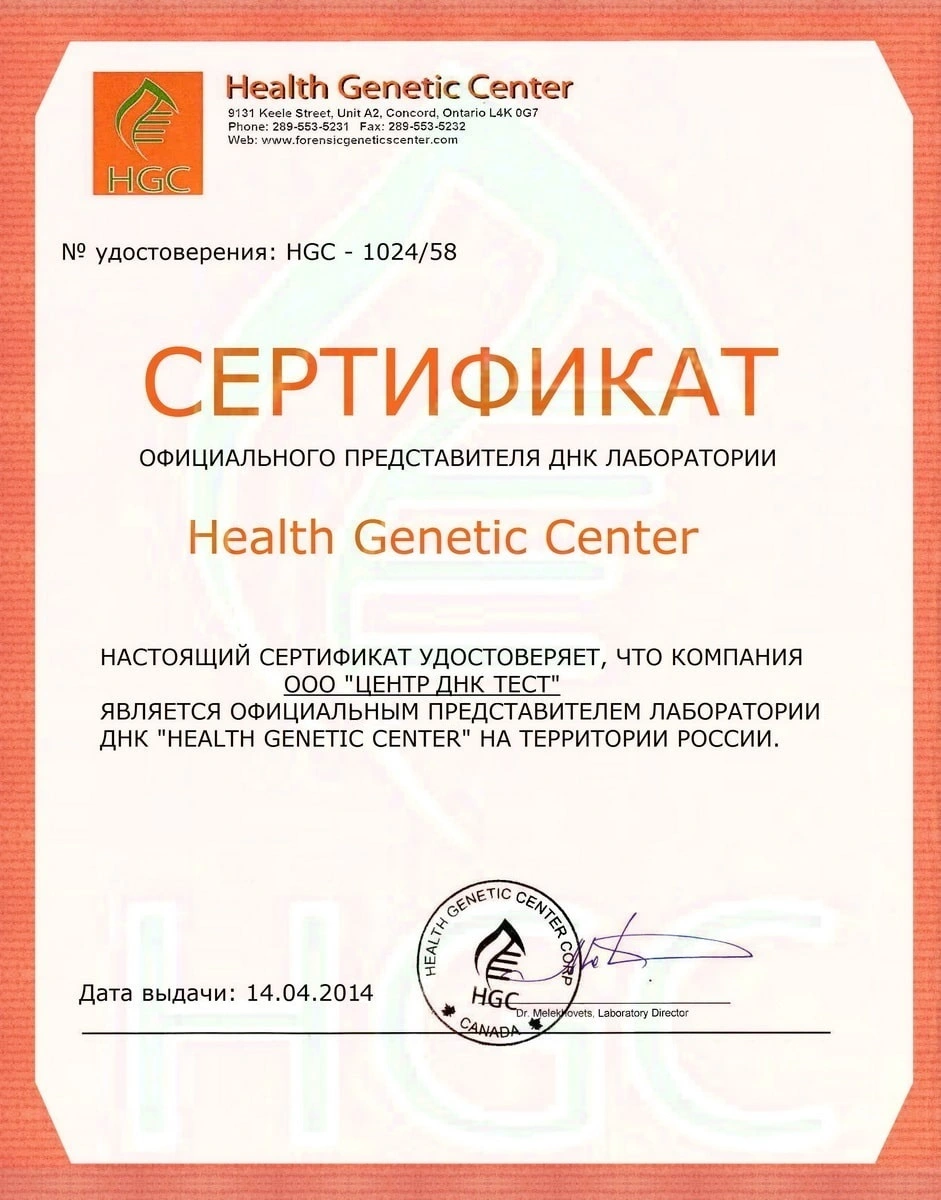
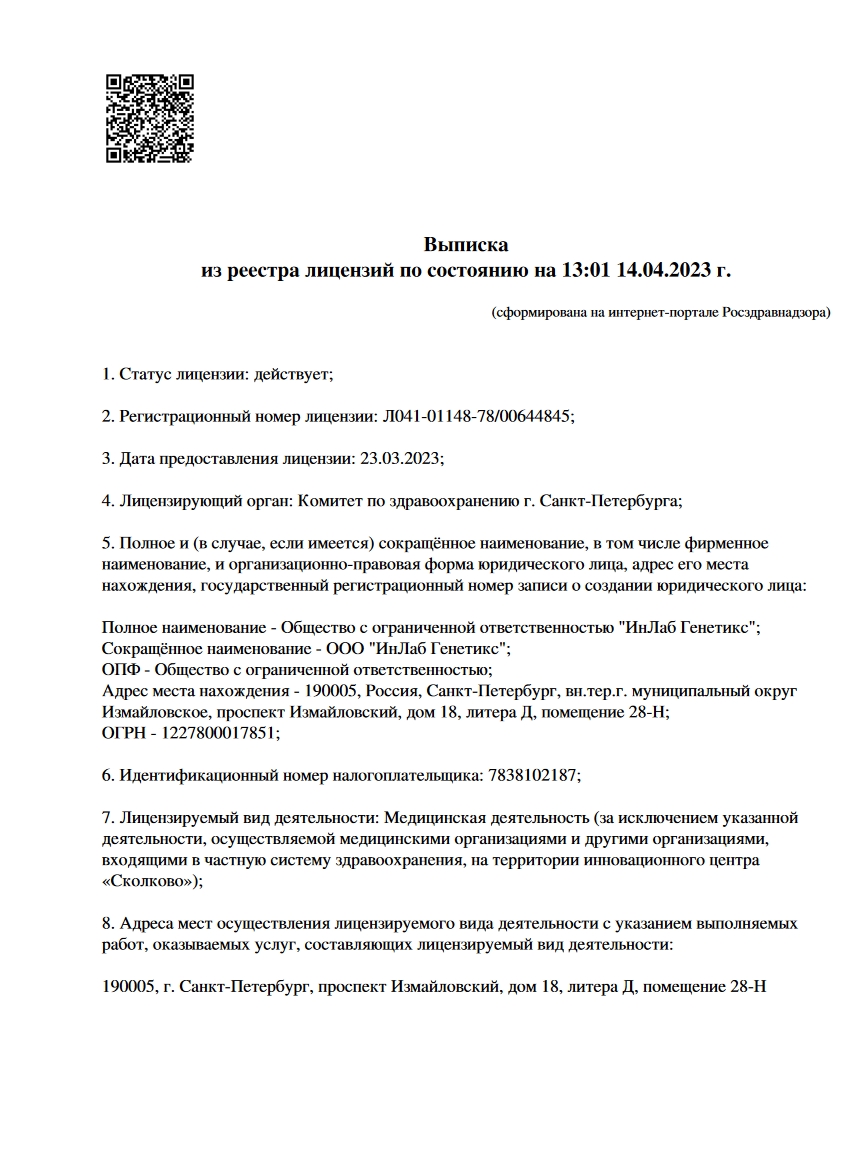
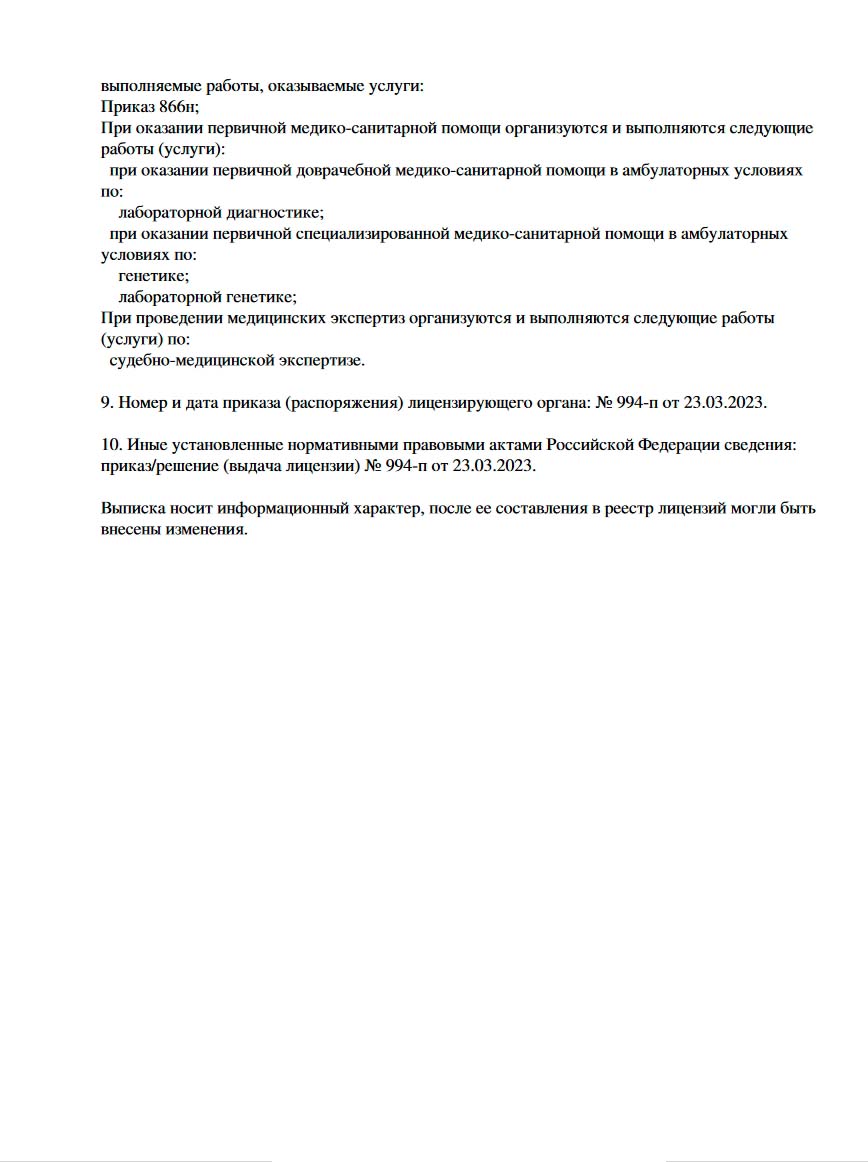
DNA Laboratory licenses and certificates
How to Take a DNA Test for Predisposition to Diabetes?
For genetic analysis, samples of buccal epithelium (oral swab) or venous blood in the amount of 5–10 ml are used.
Venous Blood
Blood collection requires a vacuum tube with a purple cap. The tube must contain ethylenediaminetetraacetic acid (EDTA) type K1, K2, or K3. The blood volume should be between 2 ml and 6 ml. Using two tubes is allowed.
Collection is performed with the patient seated. Blood flow should go directly into the tube. After collection, shake the tube 5–6 times to mix the blood with EDTA.
Buccal Epithelium
To provide a buccal epithelium sample, you can visit a specialist at a biomaterial collection point or collect the sample yourself at home. For this, you will need:
- At least 2 cotton swabs, preferably 4;
- One clean paper envelope;
- One pair of sterile disposable gloves.
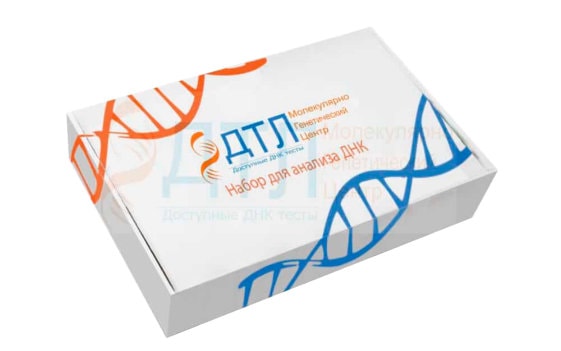
Alternatively, order a free kit by phone from our DNA center, which contains everything you need.
Watch the detailed instruction with video: How to Take a Sample.
How long does it take?

The turnaround time for the analysis is 5 business days from the moment the samples arrive at the laboratory.
The day of sample delivery is not counted, as all samples first go through a registration process before being forwarded to the genetic specialists.
How to Receive the Report
You can receive your DNA test results in any convenient way:
- Electronically via email;
- In person at the biological sample collection point;
- By delivery through Russian Post;
- By courier delivery to your door;
- By phone (if you have a unique order number, and the phone number is authorized to receive verbal results).
The method of result delivery is selected when placing the order for the analysis.

Where to take a DNA test for predisposition to type 2 diabetes
Take a DNA test for predisposition to type 2 diabetes
- You can use the form «Pre-appointment» to schedule an appointment or come to our genetic center at any time convenient for you.
See step-by-step instructions see here. - Do it yourself at home:
- Order by courier our branded kit, specially designed for self-collection of DNA samples.
- Using ordinary cotton swabs (ear swabs) from a pharmacy. Our instructions.
- Order a specialist visit to your home for free.
Why the DNA Center «DTL» is the Best in Moscow


How to pay for a DNA test for predisposition to type 2 diabetes
For your convenience, there are several cash and non-cash payment options for a DNA test:
- In our DNA centers, you can pay in cash or with a bank card.
- Online payment is available on our DNA center website.
- At the offices of Sberbank or any other Bank by receipt (download).
- Through a bank account (for legal entities).
When filling out an application for DNA analysis, you can choose the method of receiving the genetic test results:
- In person at the DNA center.
- To the e-mail specified in the application for analysis.
- By courier service throughout Russia.
- If you have taken a legal DNA test, we can send the forensic genetic report to the address of the court.
- If you need another delivery method, you can specify it in the application.
Each order is assigned a unique individual number. The laboratory guarantees 100% safety and confidentiality of all data received from you.
What should I do if the test is positive?
A positive test result indicates the presence of a pathological gene variant that increases the risk of developing a malignant tumor. This should not be viewed as a sentence. A DNA test is conducted to provide early awareness of potential cancer development.
However, there is a possibility that cancer has already begun to form. In such cases, DNA testing serves as one of the diagnostic tools at the earliest stages of the disease.
If the result is positive, it is important to:
- Consult an oncologist with your DNA test results;
- Undergo additional diagnostic procedures: X-ray imaging, cytological examinations, laparoscopy and thoracoscopy, biopsy of tumor tissue.
These investigations will help the oncologist accurately determine the stage of cancer and whether metastases are present. By combining this information with family history and DNA analysis results, appropriate treatment can be prescribed.
A comprehensive approach is typically used, combining surgery with chemotherapy or radiation therapy. The treatment plan and type of therapy are determined solely by the attending physician.
Reviews of DNA Tests and Laboratories in Moscow
























The «DTL» DNA Center conducts DNA testing throughout the entire Russian Federation. The laboratory uses equipment from Applied Biosystems, a global leader in biotechnology. Modern scientific and technological advancements enable us to perform unique DNA tests that are offered by only a few laboratories worldwide. All tests are carried out exclusively by certified specialists, including world-class experts with over 15 years of experience in DNA research.
The «DTL» DNA Center has offices in many cities across Russia, making it possible to submit samples in virtually any city, including smaller towns across the country.